
Grape Seed Oil in Skincare: How to Read Ingredients and Use Face Oil

There is something reassuring about understanding what you apply to your skin. Knowing an ingredient's name, role and texture can make the decision feel simpler. Grape seed oil is a useful example, but reading a skincare label means considering the entire formula rather than only one botanical name.
What is grape seed oil?
Grape seed oil is obtained from the seeds of grapes. On cosmetic ingredient lists, its INCI name is typically Vitis Vinifera (Grape) Seed Oil. The oil contains fatty acids, including linoleic acid, and is used in skincare as an emollient, helping the skin surface feel softer and smoother.
Its lightweight feel makes it attractive for people who prefer oils that do not feel too heavy. However, the overall experience depends on the entire formula, not just one ingredient.
How to read a botanical ingredient list
• Look for the INCI name: Familiar plants may appear under botanical names.
• Notice the full blend: A product can contain several carrier oils, essential oils and other ingredients.
• Consider the order: Ingredient lists usually place ingredients in descending order of weight, with specific rules for low concentrations.
• Avoid assumptions: A botanical ingredient is not automatically suitable for every person or free from allergy risk.
Single oils and blends are different
A bottle of plain grape seed oil and a facial oil formulated with other ingredients can feel different on the skin. One may offer a simpler ingredient list, while the other is designed as a blend with a particular texture and scent. Neither is universally better.
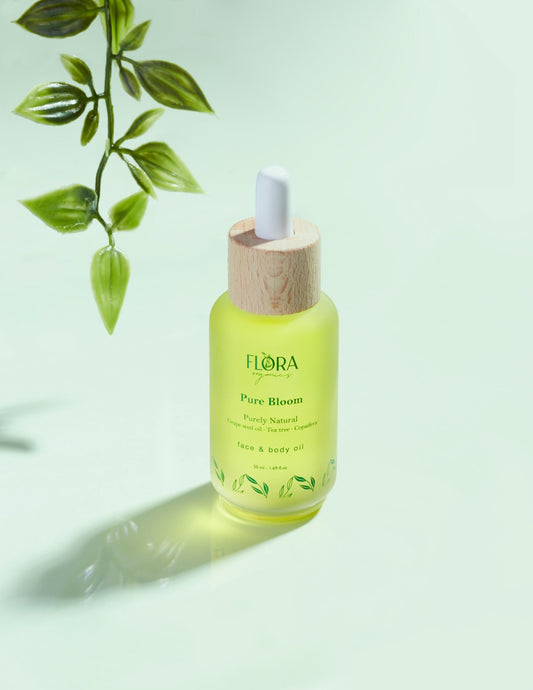
Pure Bloom Oil combines grape seed, tea tree and copaiba oils. If your skin reacts to fragrant botanical components, review its complete ingredient list and patch-test a small area before use.
How to apply a face oil comfortably
Begin with cleansed skin. Use a suitable moisturiser or hydrating step first if needed. Warm one or two drops of oil between your palms and gently press it over the skin. Add more only if it feels comfortable.
Some prefer applying oil only where skin feels dry. Others enjoy it as an evening finishing step. If redness, itching or stinging appears, discontinue use.
For more information about this particular ingredient, read our previous article on the benefits of grape seed oil.
Ingredient knowledge makes choices calmer
You do not need to memorise every botanical name or follow a complicated routine. Knowing what an ingredient is, what role it plays and how your skin responds can make skincare feel more thoughtful and less overwhelming.
For more guidance about potential reactions to cosmetics, visit DermNet.